
Ciudad Rodrigo: what to see, what to do and how to visit it from Camping Arribes del Duero
Ciudad Rodrigo is one of the essential visits if you stay at Camping Arribes del Duero. History, walls, unique festivals and a gastronomy with its own identity make this Salamanca city a perfect destination for an excursion.
In this practical guide to Ciudad Rodrigo we tell you how to get there from the campsite, what to see, what to do with children, which are the most important festivals, what to eat and useful tips to organize your visit.
How to get to Ciudad Rodrigo from Camping Arribes del Duero
Ciudad Rodrigo is approximately 50 km from the campsite.
- By car:
The journey takes about 40 minutes. The route runs along the CL-517 towards Lumbrales and connects in this town with the SA-324 that will take you to Ciudad Rodrigo. - Parking:
The town has parking areas in the vicinity of the historic center and next to the city wall, from where it is easy to walk to the center. There is a parking area for motorhomes but it has no services.
A little history of Ciudad Rodrigo
Ciudad Rodrigo has a medieval origin, although its territory was inhabited from earlier times. Its strategic location, very close to the border with Portugal, made it a key stronghold over the centuries.
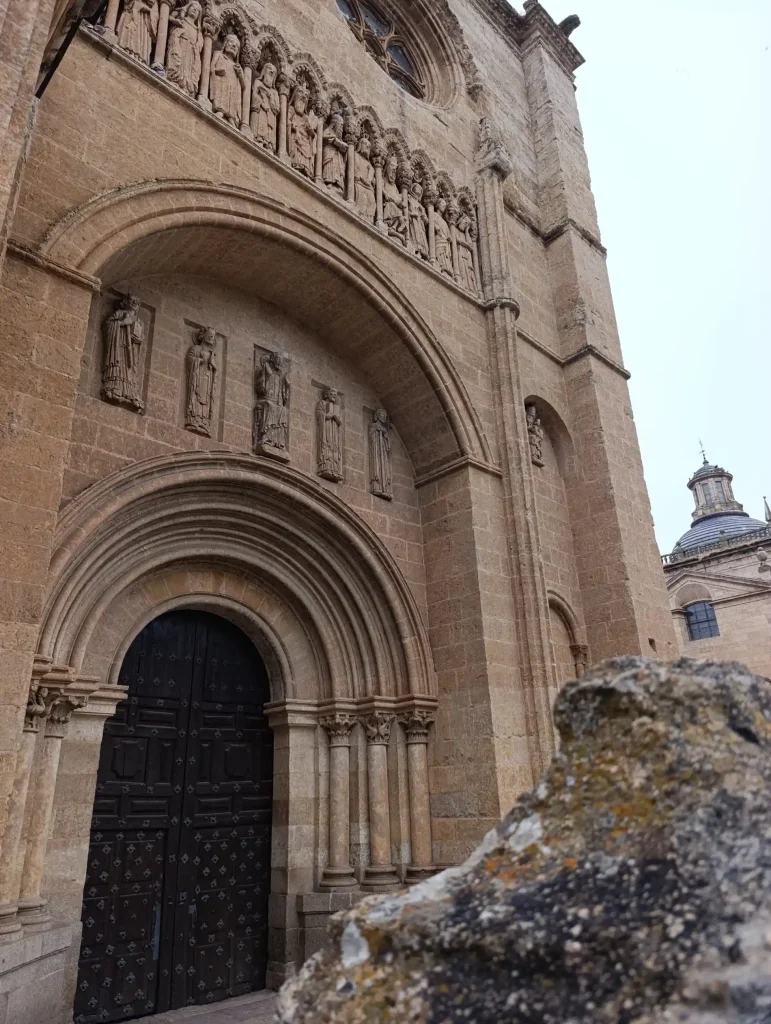
His role during the War of Independence War of Independencewhen it was the scene of important sieges (on the facade of the cathedral you can see the damage suffered during the French siege). Today, its walled complex, its cathedral and its palaces reflect this frontier and military history.
A curiosity: do you know what the inhabitants of Ciudad Rodrigo are called? Mirobrigense, which comes from Mirobriga, the name of an ancient Lusitanian/Roman city located in the same place as the current Ciudad Rodrigo. Although colloquially they like the colloquial gentilicio of farinato which refers to the sausage par excellence of the region.
What to see in Ciudad Rodrigo (essential monuments)
The city wall and the historic center
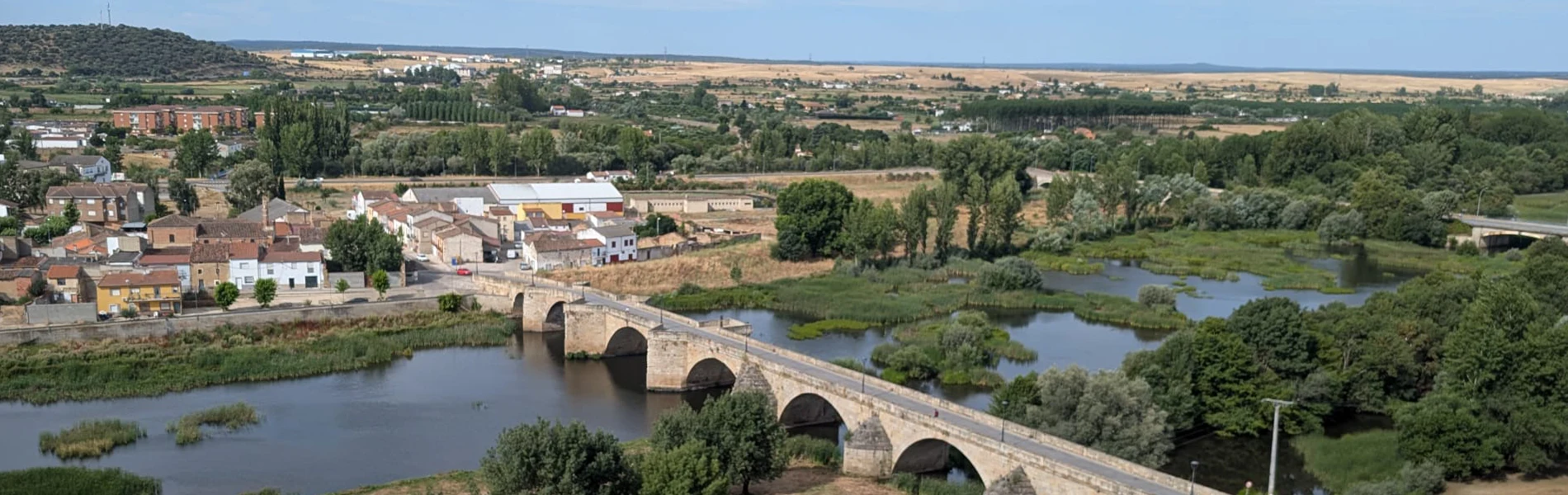
The walled enclosure completely surrounds the old town and allows you to walk around the city enjoying views of the Águeda River and the natural environment. It is one of the best preserved defensive complexes in the province.
Santa Maria Cathedral
Main religious monument of the city and one of its great symbols. It combines Romanesque and Gothic styles and houses a museum, sacristy and tower that can be visited.
Schedules (January 2026):
- Monday to Sunday:
11:00-14:00 and 16:00-18:00 - Free of charge:
Monday to Thursday, from 11:00 to 11:30 a.m. (except holidays and eves)
Indicative rates:
- General admission (Cathedral + museum): 7 €.
- Seniors over 65 years old: 6 €.
- Youth, students and large families: 5 €.
Plaza de Herrasti
923 481 424
catedralciudadrodrigo@artisplendore.com
Plaza Mayor and City Hall
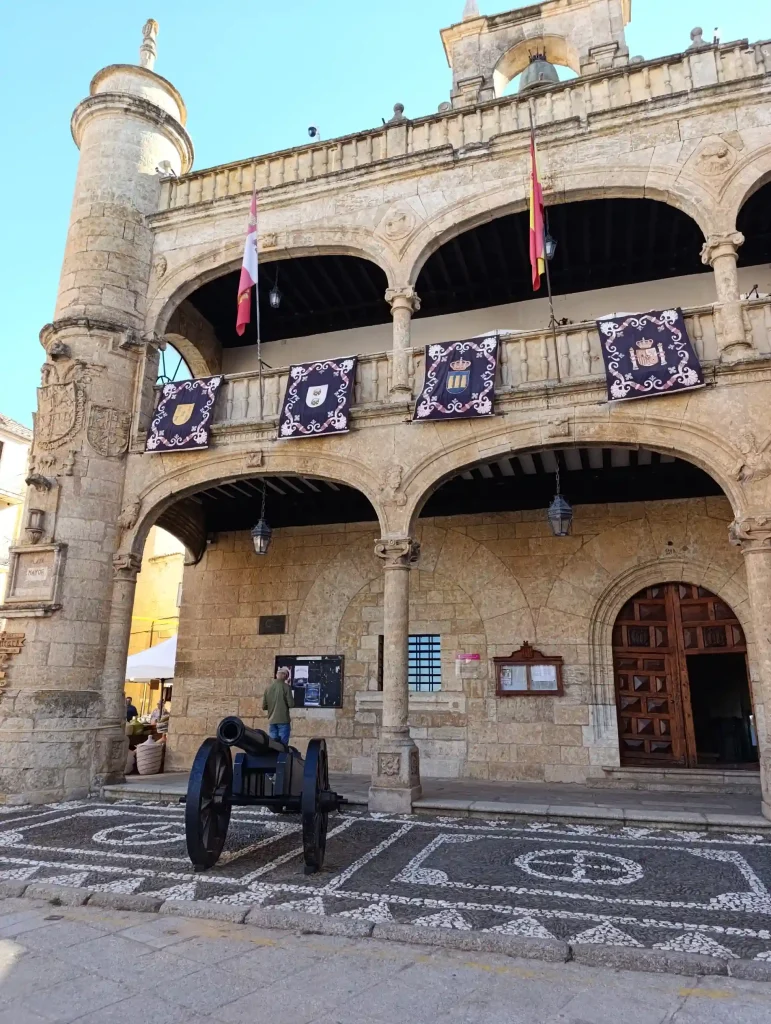
Center of the social and administrative life of Ciudad Rodrigo. Under its arcades is the Tourist Officeideal place to start the visit.
Tourist Office (January):
- Mornings: 9:30-14:00
- Afternoons: 16:00-19:00
Plaza Mayor, 27
664 346 580
Alcazar of Henry II of Trastamara
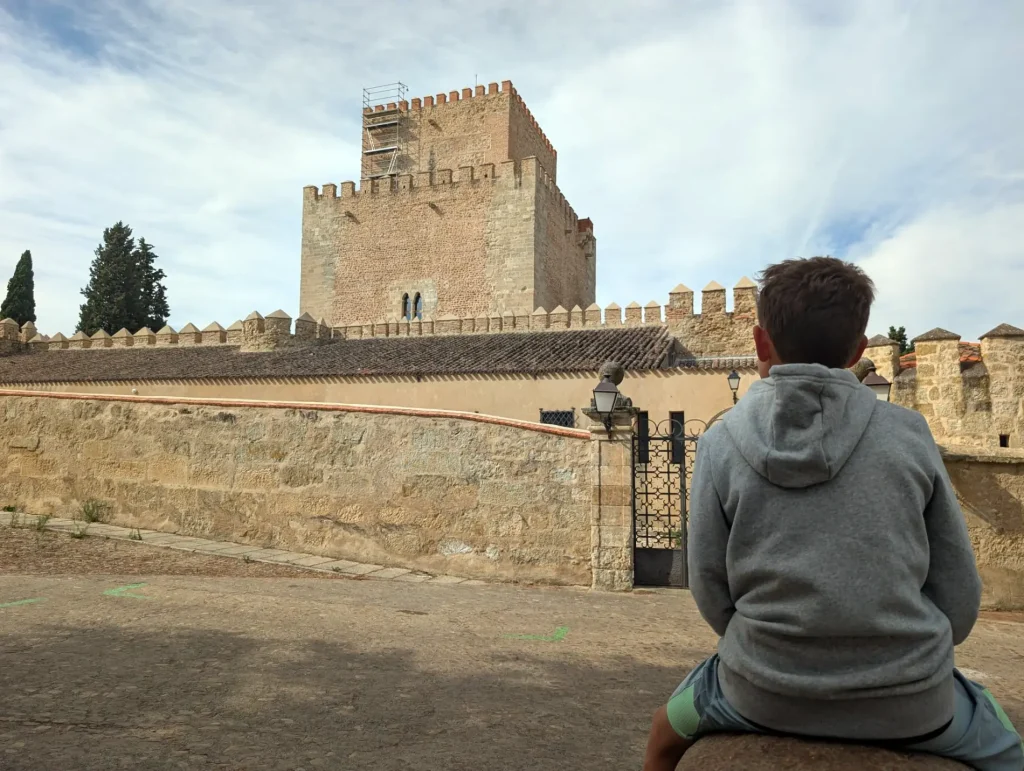
Medieval fortress built in the 14th century that today houses the Parador Nacional. It was key in the defense of the city and in the War of Independence.
House of the I Marquise of Carthage
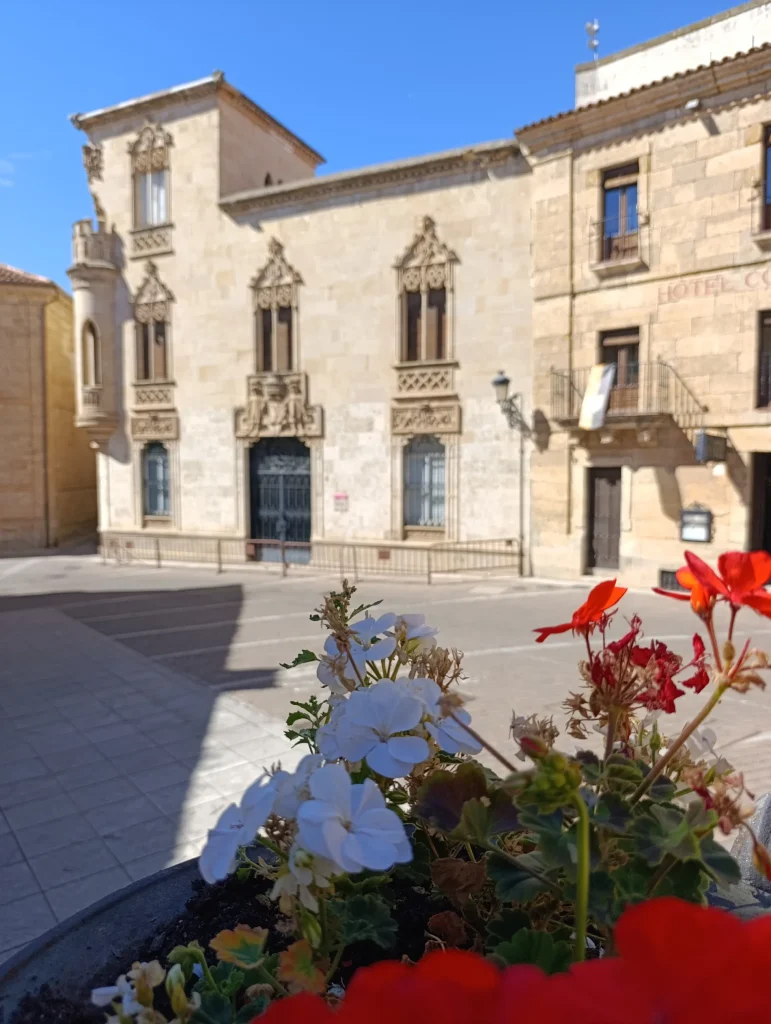
Urban palace of the XVI century, example of Renaissance civil architecture, located very close to the Cathedral.
Casa de la Cadena
Historic building that owes its name to the chain hanging from its facade, a symbol of having housed royalty.
Palacio de los Águila
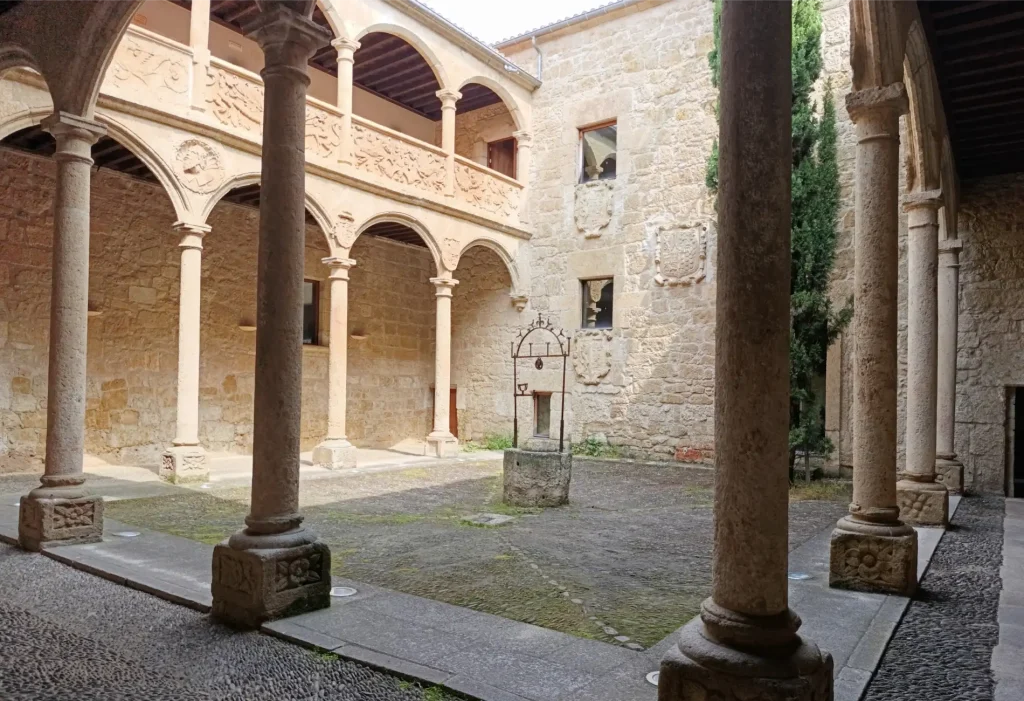
One of the most outstanding palaces of Ciudad Rodrigo, Plateresque style, currently restored and used as a cultural and exhibition space.
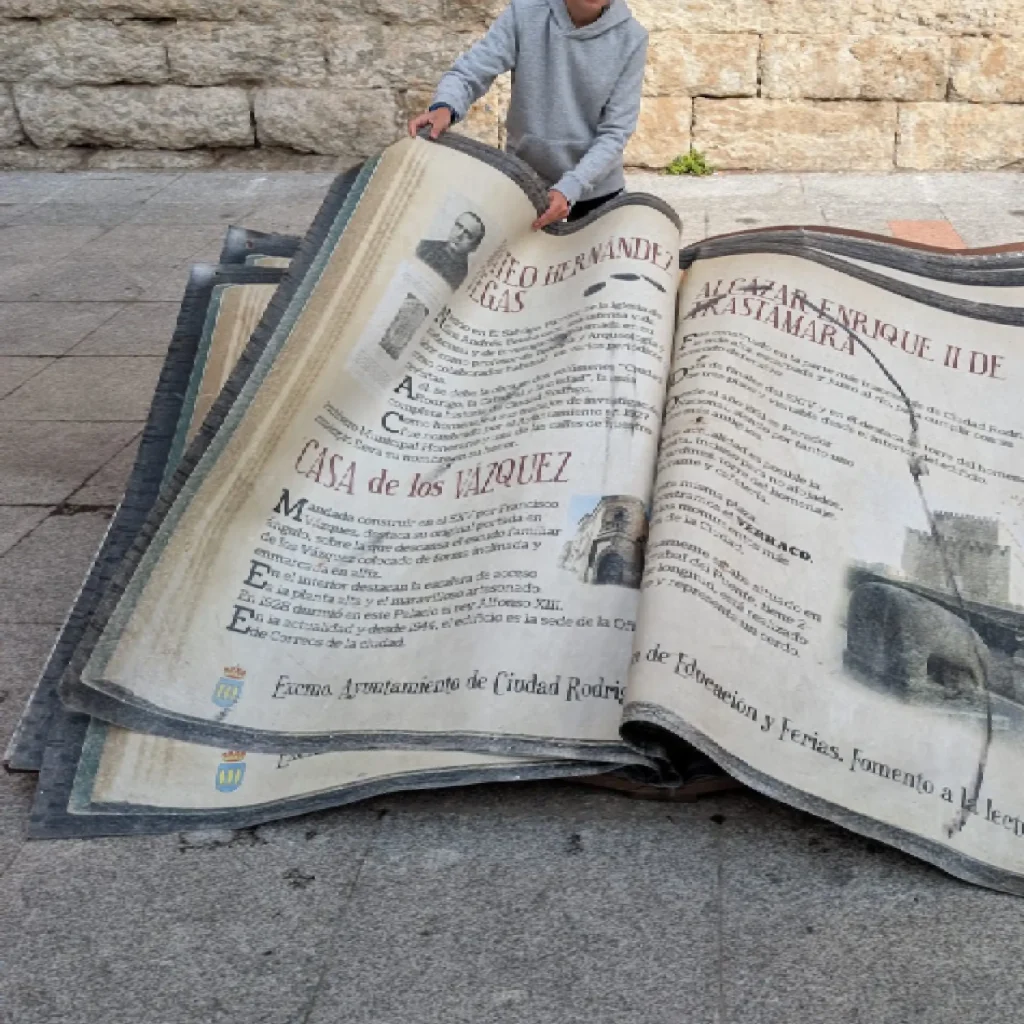
House of the Vázquez family
An example of stately civil architecture, representative of the local nobility, it is currently the headquarters of the Post Office. We recommend that you visit it during office hours from Monday to Friday from 8:30 am to 2:30 pm.
Vetón boar
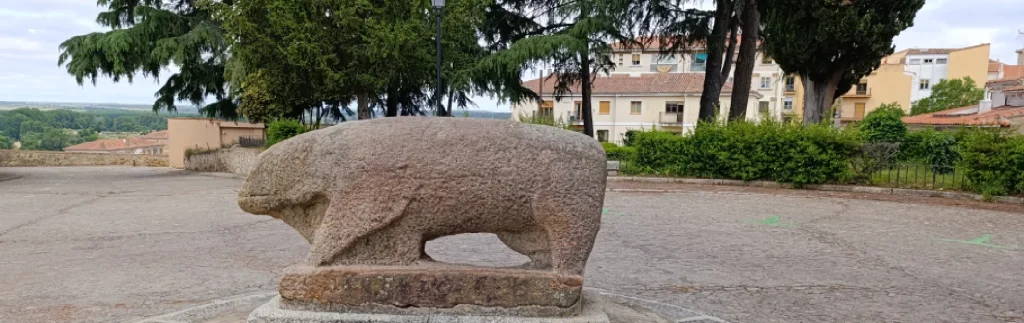
Zoomorphic sculpture of pre-Roman origin, testimony of the Vetton presence in the area and one of the oldest vestiges of local history.
Passion Hospital
Former hospital founded in the sixteenth century to care for pilgrims and the needy. Today it houses cultural and administrative spaces.
San Agustín Convent
Religious complex of great architectural sobriety, linked to the monastic history of the city and to the urban development of the historic center.
Museums and cultural spaces
Some highlights:
- Urinal Museum
- Drummer Museum
- Frontera Fortifications Interpretation Center
- House of Culture
Many of them have free or reduced admission, and extended opening hours even in winter.
Guided tours of Ciudad Rodrigo
If you want to know the city in depth, there are different options for guided tours:
- Official guided tours
- Free tours
- Thematic routes such as “Star of Legends”.
Usual meeting point: Plaza de Herrasti
Approximate time: 1 hour and 30 minutes
Ciudad Rodrigo with children
Ciudad Rodrigo is a very suitable city for family travel:
- Compact and pedestrianized historic center
- Ideal wall for strolling
- Curious museums.
- Temporary exhibitions and cultural activities
- Wide open spaces to move around with peace of mind
In addition, many tours have free admission for children or reduced rates.
What we recommend for your visit to Ciudad Rodrigo with children:
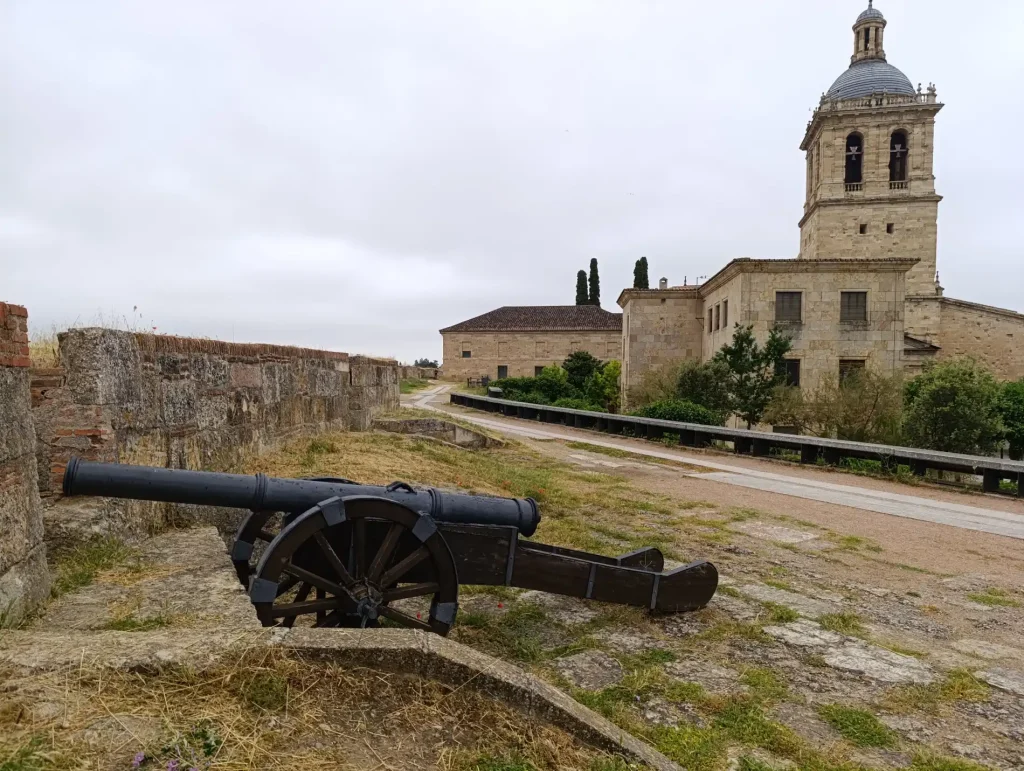
- Take a walk along the ramparts and have your picture taken at the cannons. A curiosity: these cannons are not authentic cannons from the Napoleonic era; they are reproductions made by students from the vocational school using old lampposts.
- Do not miss the Urinal Museum, you will not be indifferent to contemplate more than 1300 urinals from all eras, the oldest is from the second century AD!
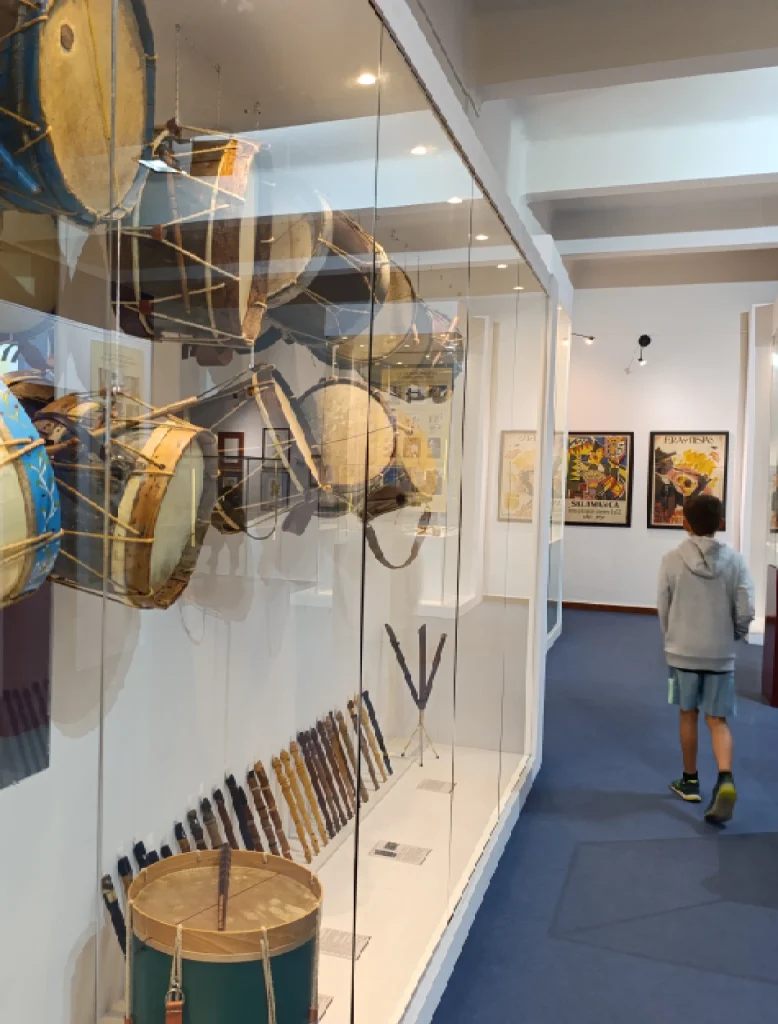
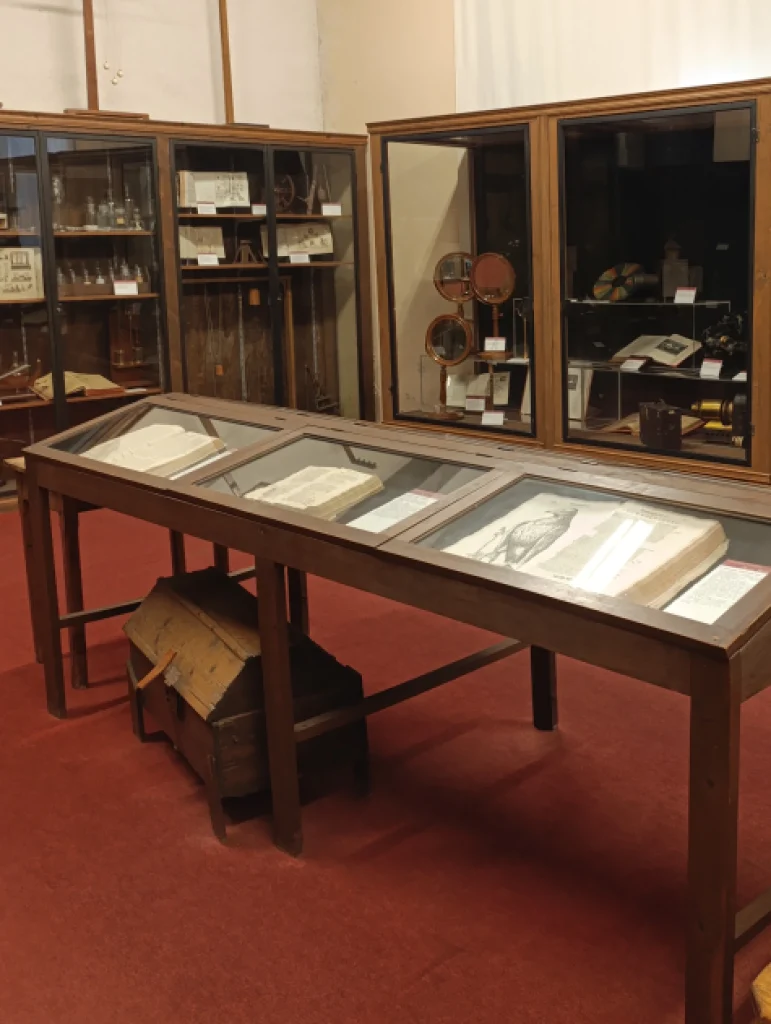
- With the entrance ticket to this museum you can also visit the Drummer’s Museum, to learn more about local traditions, and a small but charming place: the Aude Sapere exhibition, with books and all kinds of scientific gadgets from the old Seminary of San Cayetano.
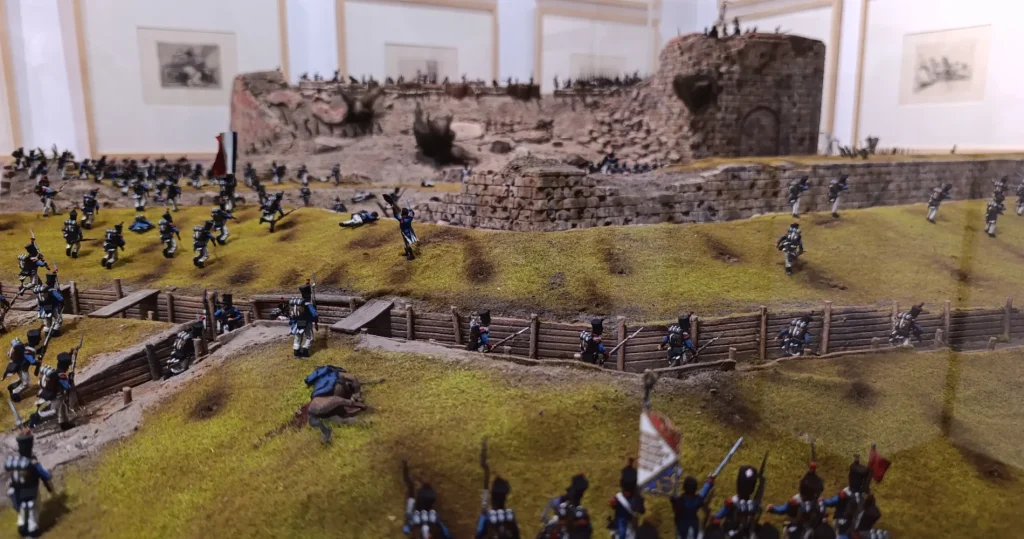
- Another corner that will please the little ones: the exhibition on the War of Independence located in the Casa de la Cultura. Admission is free and they are sure to like the models of the siege of the city.
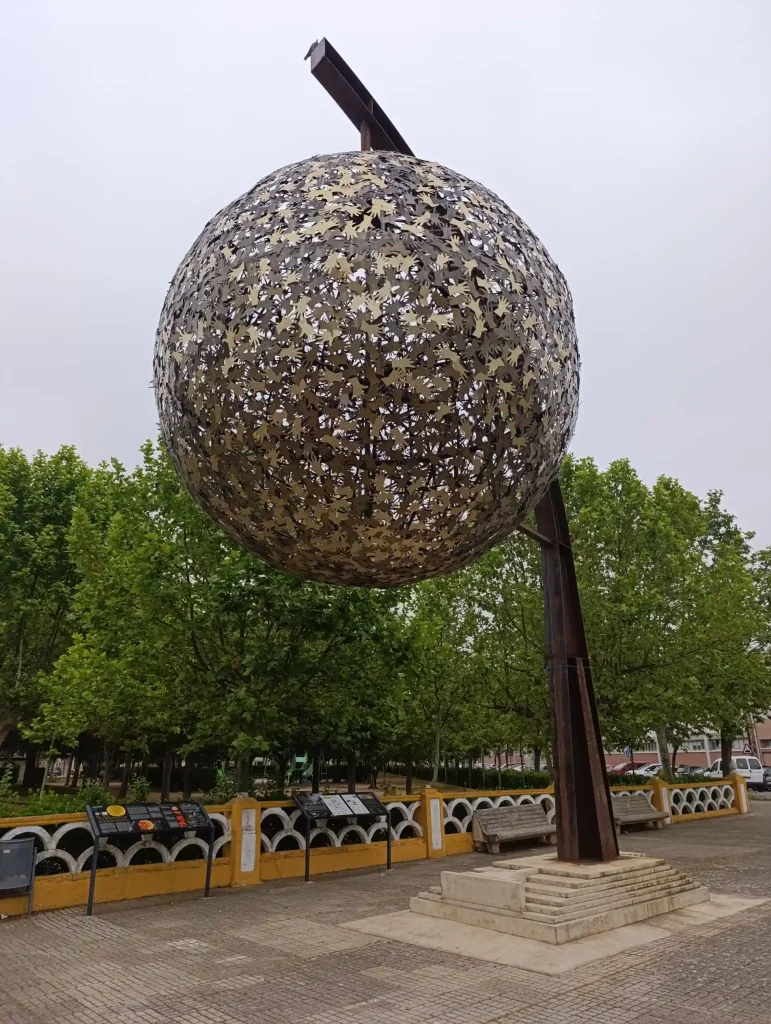
- Since 2021, the region of Ciudad Rodrigo has a spectacular representation of the Solar System on a realistic scale. It is one of the largest three-dimensional models in the world and the most important in Spain. The most curious thing is that it allows you to travel “at the speed of light”: walking quietly, the time it takes to go from one planet to another is the same as it would take light in reality.
- We also invite you to find the Three Columns, a symbol of the city that is believed to have belonged to an ancient Roman temple located in the current Plaza Mayor.
- And if after so much cultural walking you think you deserve a break, don’t miss the recreational area of La Pesquera where, in the summer heat, you can take a dip in the Águeda River.
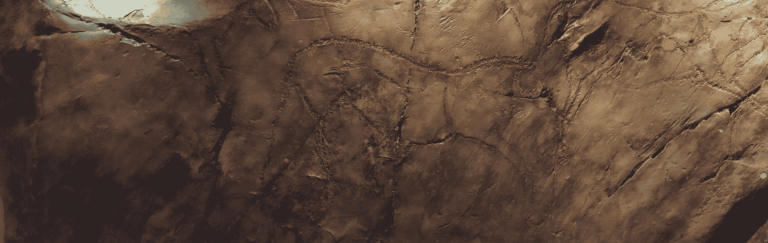
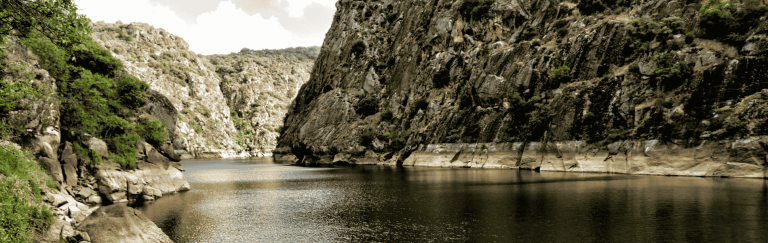
From Camping Arribes del Duero, many families combine the cultural visit with an afternoon of relaxation in the recreational area of La Pesquera, a visit to the archaeological site of Siega Verde, or a foray into Portuguese lands to visit Almeida, another walled jewel.
Festivals and traditions of Ciudad Rodrigo
Carnival of the Bull
It is the most famous and unique festival of the city, declared a Festival of National Tourist Interest. It is usually held in February and combines bullfighting tradition, running of the bulls and festive atmosphere. It is the most important festival in Ciudad Rodrigo.
Martes Chico and Martes Mayor
In commemoration of the privilege that the Catholic Monarchs granted to Ciudad Rodrigo, by which a tax-free market could be held in the city, these two important markets are held on the first and second Tuesday of August, respectively.
Thematic fairs
- Feria de Botijeros: Botijeros Fair (in March, food and craft fair).
- Feria de Teatro de Castilla y León, during the third week of August, the city is transformed into a stage for different theatrical groups.
- Feria de Teatro de Castilla y León, during the third week of August, the city is transformed into a stage for different theatrical groups.
- Horse Fair, the third weekend of September, with a multitude of activities around the world of horses.
- Medieval Fair, in October the city vibrates with shows, markets and activities.
- Fair of San Andrés eminently livestock.
Other important festivals
- Fiesta de la Charrada ( Saturday of glory) of regional tourist interest with an important concentration of folkloric groups of the area.
- Religious and popular traditions: San Antón (January 17), San Sebastián (January 20), Romería de San Blas (February 3).
Check the complete calendar here.
What to eat in Ciudad Rodrigo
Mirobrigense gastronomy is strong and with its own identity. Some products and outstanding dishes that you can not miss:
- Farinato, formerly considered a “poor man’s” sausage, is now the star product.
- Sausages and hams from acorn-fed pigs raised in the pasture.
- Hornazo, typical empanada from Salamanca
- Traditional sweets such as repelaos or perronillas.
More gastronomic information.
Practical tips for visiting Ciudad Rodrigo
- Dedicate at least half a day, although a full day allows you to enjoy it at your leisure.
- Wear comfortable shoes for walking through the historic center.
- Check updated schedules, especially in winter.
- Combine the visit with other nearby points of the Arribes region. At the reception of the campsite we will inform you about other places to visit.
Where to stay when visiting Ciudad Rodrigo
If you are looking for a quiet, family accommodation surrounded by nature, Camping Arribes del Duero is a perfect base to get to know Ciudad Rodrigo and the rest of western Salamanca.
You can check our lodging options here.